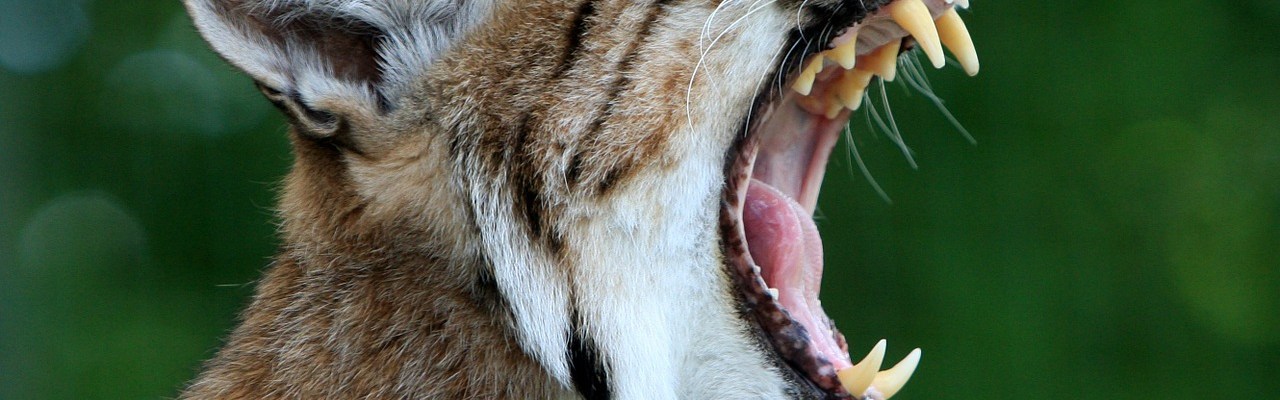
A recent report is really positive news for lynx reintroduction in Scotland, this new study provides evidence that lynx were still breeding in Scotland as recently as 1760. Better yet, they would have a much better chance of survival now,
These last lynx were apparently still breeding but they were clinging on to survival in a little pocket – as their habitat and prey base were unsuited to them, a fact that meanst their existence was recorded as their despaeration brought them in to conflict with people in the area. How many little pockets of lynxes survived at tis time is unknown but we know fragmentation of habitat is a huge threat to many species today. Creating viable corridors to link remaining and reintroduced Iberian lynx is critical to the genetic viability of the species.
Both the prey base and habitat are much better suited to this species now, and with the rise of popularity of ‘ecotourism’ there is arguably greater favourability in the human mindset of Brits to live alongside this apex predator.
The state of our desperately “nature depleted Britain” can and MUST be addressed of course. And this cousin of the Iberian lynxes could play a valuable part in this. The reintroduction of apex predators to the landscape of Britain is a vital step. But there is still a huge resistance to the idea, inspite of suitable land and prey for the species to thrive, it is this mindset that is the greatest obstacle now.
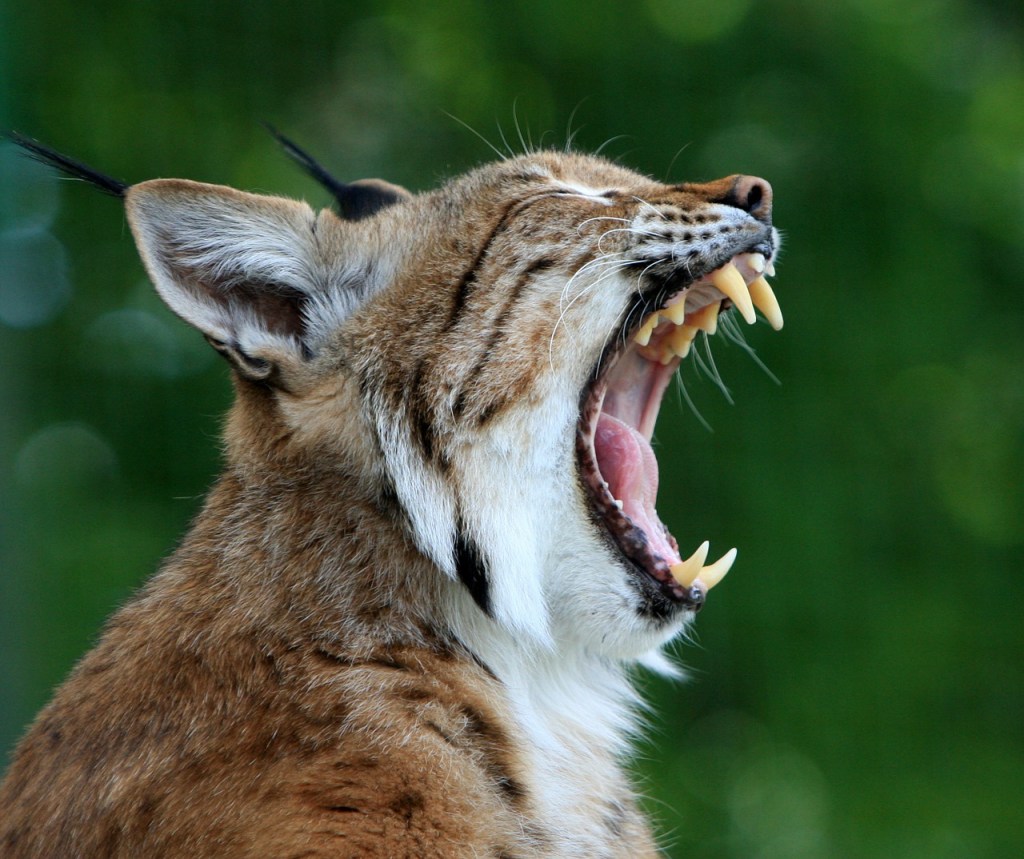
Prior to this study, there was evidence of lynx presence in the UK using radio carbon dating of bone from two sites that had demonstrated that lynxes were present in Yorkshire, much more recently than previously thought.
This study looks at the information from the travel writer “Richard Pococke’s Tour of Scotland, published 260 years ago in the year 1760, seems to describe a population of lynxes breeding near Auchencairn, a village near Kirkcudbright in Dumfries and Galloway, southwest Scotland”
The study shows that these lynx were already struggling with the dwindling forest habitat and a lack of natural prey, meaning they were forced into conflict situations with farmers to get by, probably the only reason they were mentioned by this travel writer was the conflict between them and sheep farmers.
The current situation is much better for them now, deer are more than plentiful in Scotland particularly and forest cover has doubled. Populations across Europe are patchy, often in isolated populations, with little actively co-ordinated efforts to build corridors they are in some areas recovering slowly from a low of around 700 individuals in 1930-1950.
If they could swim to this little island off Europe, it would be a huge boost to eco-tourism and a start to building a natural sustainable, nature abundant Britain.
Further reading
 SOS LYNX