The beginning for me was nearly 20 years ago, when I took the leap of faith to leave my home country for Portugal. I chose to leave a big city for the amazing extensive cork oak forests and the wonderfully warm welcoming people who managed these forests in the south west of Portugal and my heart was instantly captured.
Yet, as I planted vegetables, accepted free range eggs and fresh goats cheese and bread making lessons from my gracious neighbours, I also discovered that this sustainable way of life was threatened by a global change in wine stoppers (from naturally renewable cork to plastic) that led me to research more about this habitat and then soon to these amazing and incredibly endangered cats.
I was shocked that I a cat lover, who had followed the stories of cheetahs, lions and tigers for so many years had never heard of the world’s most endangered cat, right here, on my doorstep, in Europe. So, some 18 years ago I started a campaign (SOS Lynx) to raise awareness of the near extinction of the Iberian lynx, which quickly took over my peaceful ‘goodlife’.
Thankfully after years of conservation efforts the Iberian Lynx has been upgraded, from critically endangered, to merely endangered.
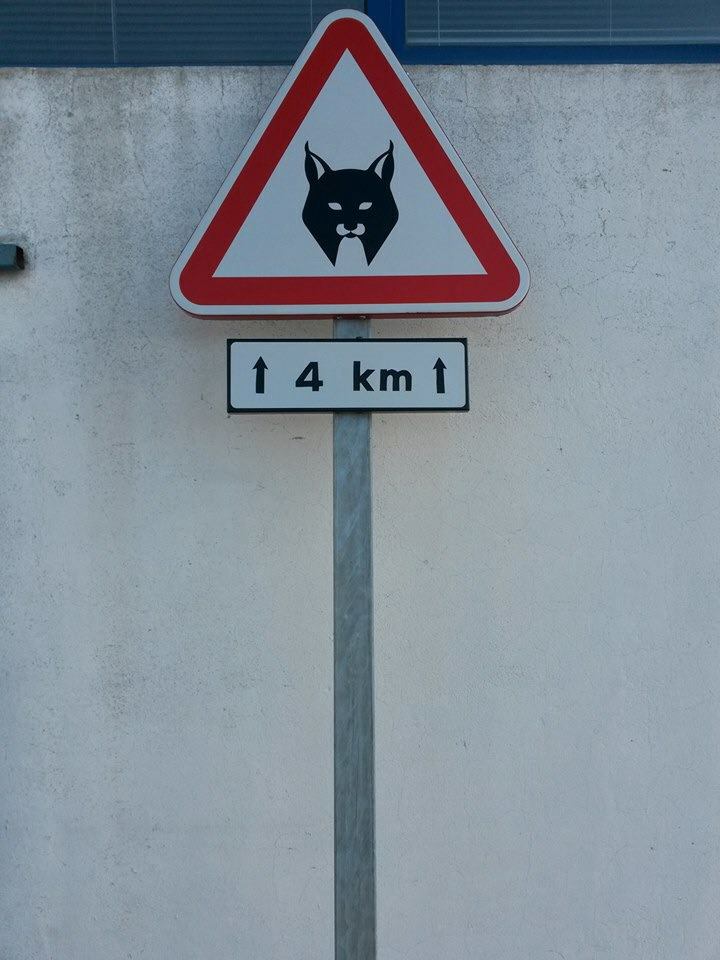
This year Iberian lynx are again being reintroduced to the wilds of Spain and Portugal from the five captive breeding centres all over the Iberian peninsular. In 2014, the first Iberian lynx were reintroduced to Portugal – I have never been excited about a road sign in my life…!
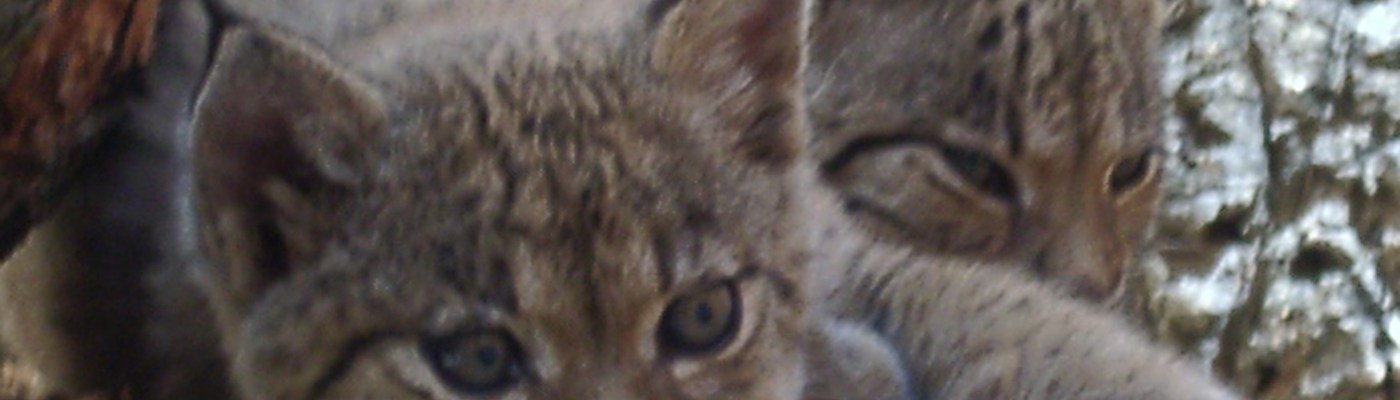
All those years ago, one of the perks was having the chance to meet the incredible team of dedicated people at Zoo de Jerez. It was here that I saw my first Iberian lynx – Aura and Saliega, a few weeks old, fluffy, with spock-like ear tufts, baby blue eyes and a fierce wild hiss that left you with no mistaking that these were indeed wild cats. I took the long trip to Jerez as often as possible, and watching them grow into adolescents was a magical experience I can never forget.
Back then, only their large paws gave a clue to their size as adults, they were a quiet hope for those who realised that captive breeding was the only way to ensure this species’ salvation. Though they had been ‘captured’ the captive breeding programme was not underway, and funding and political will were very uncertain, indeed some conservationists were against it, believing it would undermine conservation in the wild.
They were ‘runts’ of the litter, not expected to survive if they were left with their mothers in the wild. They joined ‘Esperanza’ another female rescue, her name means hope in Spanish.
Thanks to the success of the captive breeding programme and the reintroduction of these young lynx into the wild since 2006, there are now finally over 500 Iberian lynxes in the wild.
And most excitingly of all for me, there are now 42 Iberian lynxes not far from my rural retreat in southern Portugal, the release site in Mertola and Serpa, as I wrote this another two Iberian lynxes are being released.
These are happy days indeed.
 SOS LYNX